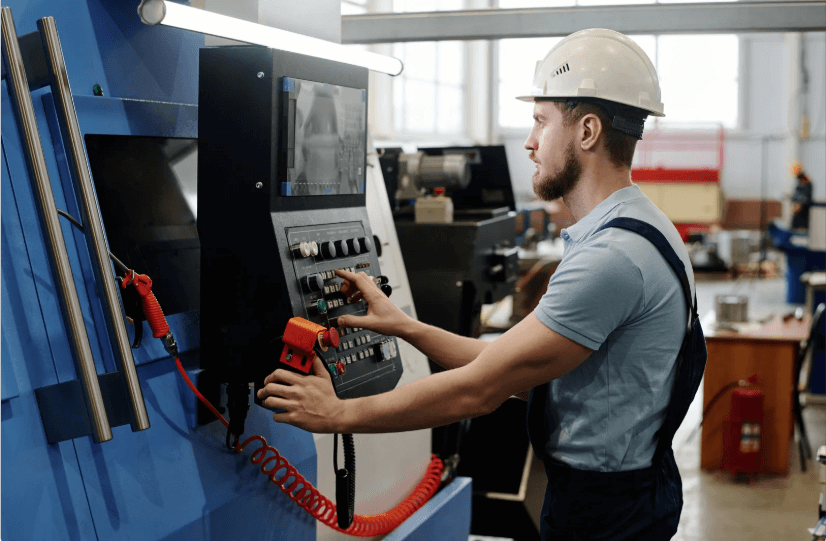
Custom Plastic Pallet Mould for Heavy-Duty Pallet Production
We manufacture custom plastic pallet moulds for single-face, double-face, rackable, nine-leg, three-runner, and heavy-duty industrial pallets. From product structure, steel selection, hot runner, cooling, ejection, Moldflow analysis, mould trial, and export delivery, we help you build a stable pallet production solution.
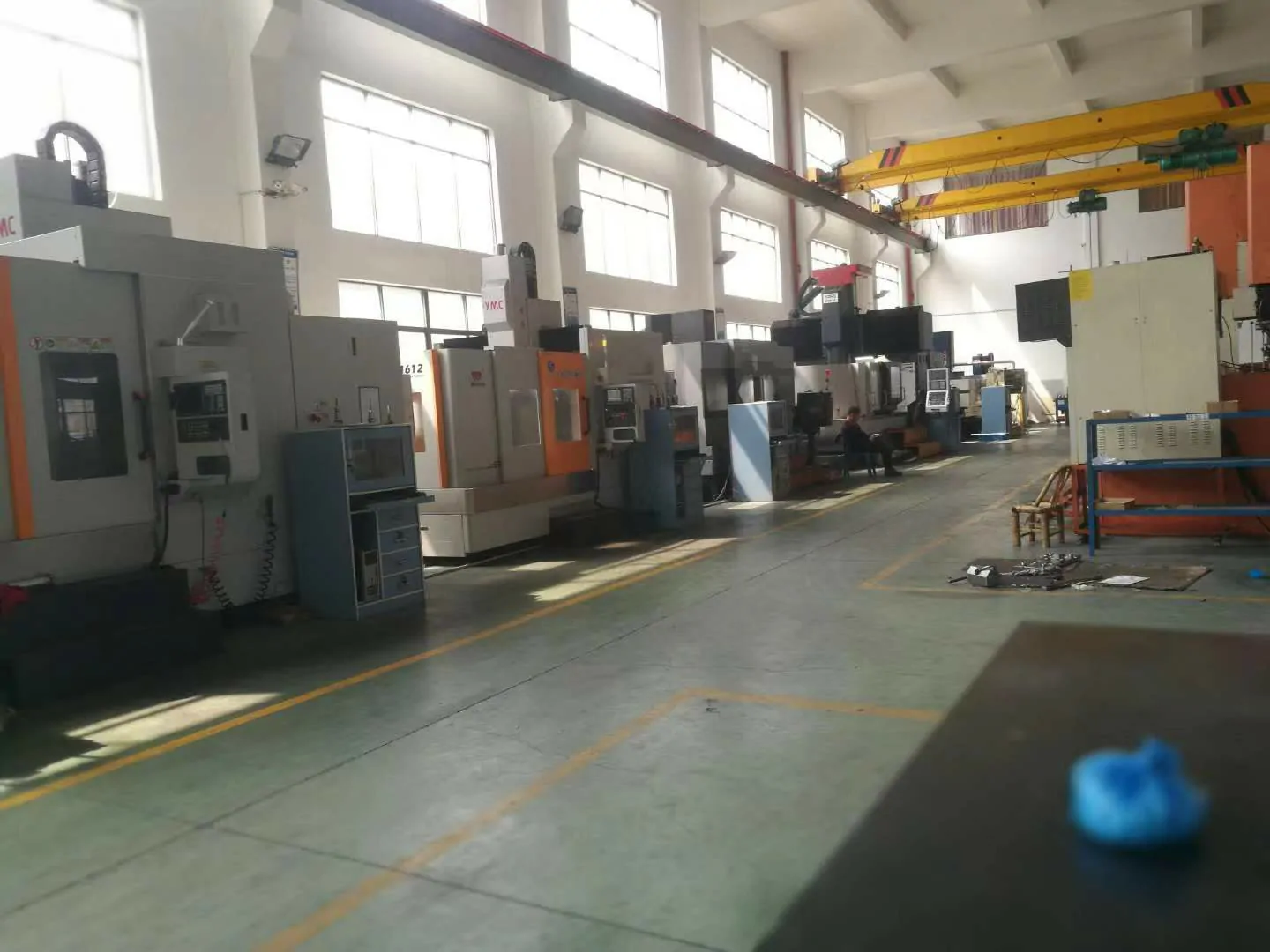
- HDPE, PP, recycled HDPE and recycled PP pallet moulds
- Hot runner, cold runner and valve gate mould options
- DFM, Moldflow, cooling and ejection system support
- T0 / T1 mould trial, sample inspection and export packing
What Is a Plastic Pallet Mould?
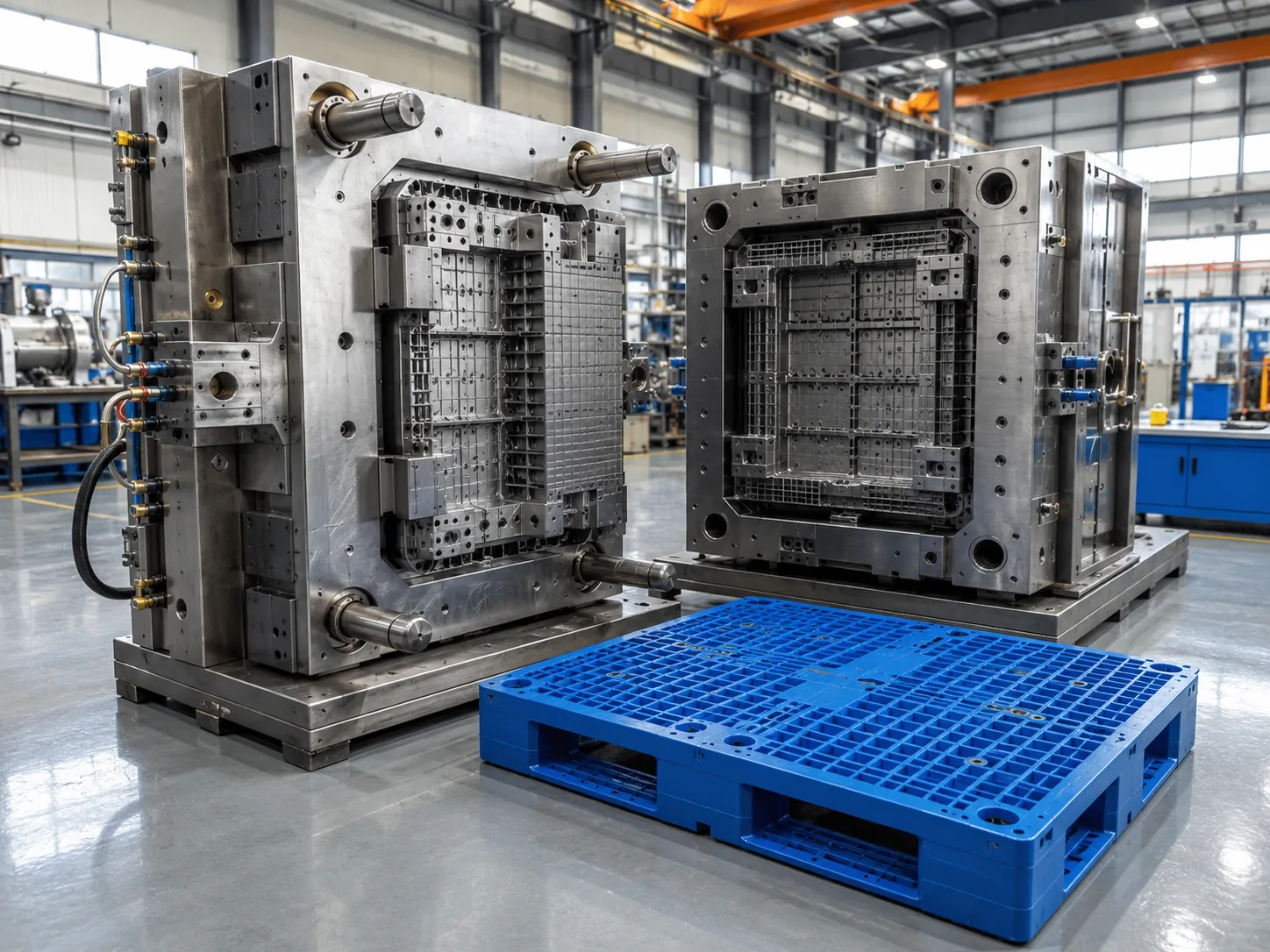
A plastic pallet mould is a large injection mould used to produce plastic pallets from materials such as HDPE, PP, recycled HDPE, recycled PP, or modified plastic compounds. During production, melted plastic is injected into the mould cavity, cooled, ejected, and then used as a finished pallet for storage, transportation, racking, stacking, or warehouse handling.
Because plastic pallets are usually large, heavy, and structurally complex, the mould must be designed with strong attention to melt flow, gate position, cooling efficiency, steel strength, ejection balance, shrinkage control, and deformation prevention.
Stable Pallet Dimensions
A well-designed pallet mould helps control shrinkage, warpage, and dimensional variation during repeated mass production.
Better Production Efficiency
Optimized cooling, runner design, and ejection can shorten cycle time and reduce production cost per pallet.
Long-Term Mould Life
Proper steel selection, machining accuracy, and maintenance design help the mould run reliably for long-term production.
Plastic Pallet Moulds We Manufacture
Different pallet structures require different mould designs. A light-duty warehouse pallet and a heavy-duty rackable pallet cannot use the same engineering logic. The rib structure, wall thickness, runner strength, cooling layout, gate system, and ejection method must match the final pallet application.
| Pallet Type | Common Application | Mould Complexity | Key Design Focus |
|---|---|---|---|
| Nine-Leg Plastic Pallet | Light warehouse storage, export packaging | Medium | Nesting, weight control, basic stiffness |
| Three-Runner Pallet | Forklift handling, logistics transport | Medium-High | Runner strength, forklift entry, bottom support |
| Double-Face Pallet | Heavy-duty stacking and repeated handling | High | Balanced cooling, ejection stability, part strength |
| Rackable Pallet | Warehouse racking systems | High | Deflection control, rib design, racking load |
| Hygienic Pallet | Food, beverage, pharmaceutical use | High | Smooth surface, easy cleaning, low contamination risk |
| Spill Pallet | Chemical and liquid containment | High | Tray structure, sealing, chemical resistance |
| Custom Industrial Pallet | Special logistics or production line use | Custom | Machine matching, load requirement, material choice |
Single-Face Plastic Pallet Mould
Single-face plastic pallets are widely used in logistics, warehousing, and export packaging. They are usually lighter than double-face pallets and can be designed for nesting, stacking, or forklift handling.
- Rib strength and bottom foot structure
- Forklift entry design
- Cooling around thick sections
- Ejection balance and shrinkage control
Double-Face Plastic Pallet Mould
Double-face plastic pallets are stronger and more suitable for heavy-duty handling or stacking applications. The mould structure is more complex because both sides of the pallet require functional surface design.
- Large part filling balance
- Cooling uniformity
- Runner and rib deformation control
- Part weight and cycle time optimization
Rackable Plastic Pallet Mould
Rackable pallets must support loads when placed on rack beams. This is one of the most demanding plastic pallet designs because pallet deformation can directly affect warehouse safety and usability.
- Rib layout optimization
- Runner reinforcement
- Wall thickness balance
- Gate position and material flow direction
- Deflection control and load simulation
Plastic Pallet Mould Specification
Every pallet project is different, so the final mould specification depends on pallet size, weight, material, load requirement, production volume, mould life target, and injection machine capacity.
| Item | Common Options |
|---|---|
| Mould Type | Plastic pallet injection mould |
| Pallet Material | HDPE, PP, recycled HDPE, recycled PP |
| Cavity | Usually single cavity for large pallets |
| Core & Cavity Steel | P20, 718H, 2738, H13, S136, or customized |
| Mould Base | 45#, S50C, LKM, or customized |
| Runner System | Hot runner, cold runner, or semi-hot runner |
| Gate Type | Direct gate, pin-point gate, valve gate, multi-point gate |
| Cooling System | Water cooling, independent cooling zones, beryllium-copper inserts if needed |
| Ejection System | Ejector pins, ejector plate, air ejection, hydraulic cylinder support |
| Surface Finish | Polishing, texture, matte finish, anti-slip texture |
| Mould Life | 300,000 to 1,000,000+ shots depending on steel and maintenance |
| Lead Time | Usually 60–90 days depending on mould size and complexity |
| Trial Support | T0/T1 mould trial, sample inspection, correction, trial video |
| Export Support | Wooden case packing, spare parts, mould drawings, operation guidance |
Steel Selection for Plastic Pallet Mould
Steel selection directly affects mould life, maintenance cost, surface quality, and long-term production stability. For plastic pallet moulds, the steel must handle large injection pressure, repeated production cycles, cooling stress, and possible wear from recycled materials.
P20 Steel
P20 is a common and economical option for many pallet moulds. It is suitable for projects with moderate mould life requirements and controlled production volume.
- Standard pallet moulds
- Cost-sensitive projects
- Medium-volume production
- Non-corrosive materials
718H / 2738 Steel
718H and 2738 are often used for better durability, machinability, and polishing performance. They are suitable for buyers who need more stable long-term production.
- Higher production volume
- Better surface requirement
- Larger mould size
- More stable mould life
H13 Steel
H13 can be used for high-wear areas, inserts, or sections that require better thermal resistance and toughness.
- High-stress mould areas
- Insert parts
- High-temperature areas
- Long production cycles
S136 Steel
S136 is normally selected when corrosion resistance or high surface quality is required. For pallet moulds, it may be used in special applications instead of the entire mould.
- Hygienic pallets
- Corrosion-sensitive materials
- Special surface requirements
- Food or pharmaceutical applications
Hot Runner or Cold Runner for Plastic Pallet Mould?
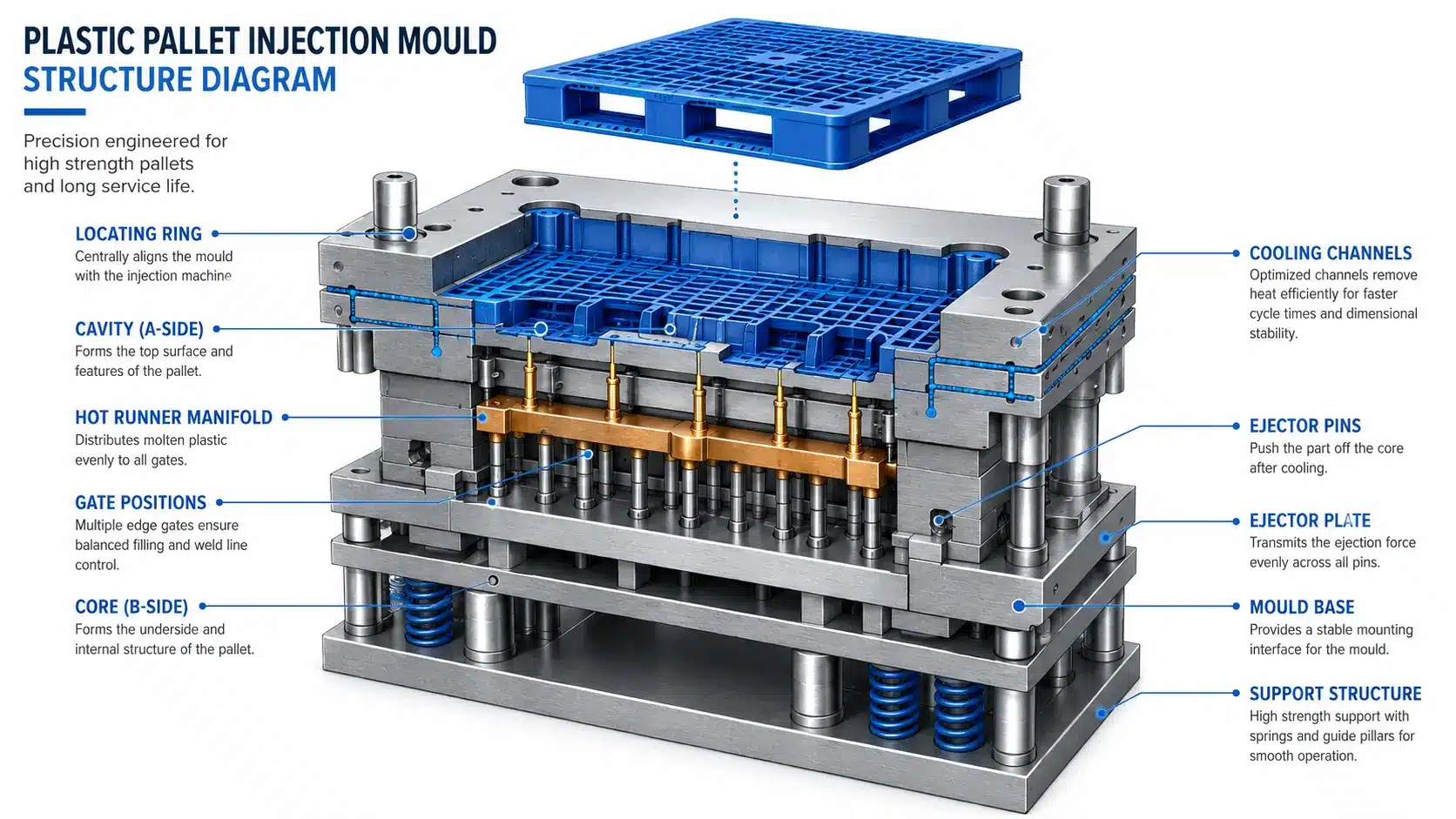
The runner system is one of the most important decisions in plastic pallet mould design. Because pallets are large parts with long flow paths, the runner design affects filling balance, injection pressure, material waste, cycle time, and production cost.
| Runner Type | Advantages | Limitations | Best For |
|---|---|---|---|
| Cold Runner | Lower initial mould cost, simpler maintenance | More material waste, longer cycle, more trimming | Lower-volume or budget-sensitive projects |
| Hot Runner | Less runner waste, better filling balance, better for mass production | Higher initial cost, requires controller and maintenance | High-volume pallet production |
| Valve Gate Hot Runner | Better gate control, improved appearance, stable filling | Higher cost and complexity | High-quality or large industrial pallets |
For many large pallet moulds, a hot runner system is recommended because it can support more balanced filling and reduce material waste during mass production. However, if the buyer has a limited budget or lower annual output, a cold runner design may still be considered.
Gate Design, Cooling System and Ejection Structure
Plastic pallets have a large projected area, long flow distance, many ribs, and different wall thickness areas. Poor gate design, cooling layout, or ejection structure can cause short shots, weld lines, burn marks, unbalanced shrinkage, or excessive injection pressure.
Multi-Point Gate Design
Large pallet moulds often need multiple gates to fill the cavity evenly. Gate location affects filling balance, injection pressure, weld line position, surface quality, and cycle time.
Cooling System Design
Cooling affects cycle time, warpage, shrinkage, dimensional stability, ejection difficulty, and production cost per pallet. Independent cooling zones help keep production stable.
Ejection System Design
Large plastic pallets require balanced ejection. Ejector pins, ejector plates, air ejection, and hydraulic support may be combined to avoid bending or deformation.
Moldflow / CAE Analysis
Before machining the mould, we can use Moldflow or CAE analysis to evaluate filling time, flow balance, pressure distribution, weld line location, air trap risk, temperature distribution, shrinkage, and warpage tendency.
- Filling time and pressure distribution
- Weld line and air trap prediction
- Gate location and runner balance
- Cooling efficiency and temperature distribution
- Shrinkage and warpage risk evaluation
How We Reduce Warpage, Sink Marks and Short Shots
Large plastic pallets are more likely to face moulding defects if the product structure, mould design, material, or process settings are not well controlled.
Warpage Control
Warpage can be caused by uneven cooling, unbalanced wall thickness, poor gate position, long flow distance, improper packing pressure, or material shrinkage variation.
- Balanced cooling layout
- Optimized gate system
- Reasonable wall thickness transition
- Mould temperature control
Sink Mark Control
Sink marks usually appear around thick sections, ribs, bosses, and reinforced areas. For pallet moulds, sink marks may indicate uneven packing or cooling.
- Wall thickness optimization
- Proper rib ratio
- Improved packing pressure
- Cooling around thick sections
Short Shot Prevention
A short shot happens when the plastic material does not fully fill the cavity. This can be caused by poor flow, insufficient injection pressure, small gates, blocked vents, or improper temperature.
- Proper gate size and location
- Balanced runner system
- Venting design
- Correct machine matching
Weld Line Management
Weld lines are common in large multi-gate pallet moulds. The key is to control their position and avoid placing them in high-stress areas.
- Gate position adjustment
- Flow path optimization
- Material temperature control
- Structural reinforcement around critical areas
Load Capacity Starts from Pallet and Mould Design
Plastic pallet performance depends on product structure, material choice, mould design, and processing conditions. A pallet designed for light export packaging cannot be treated the same as a pallet designed for warehouse racking.
| Load Type | Meaning | Design Focus |
|---|---|---|
| Static Load | Load when the pallet is placed on the floor | Bottom support, rib density, material distribution |
| Dynamic Load | Load when moved by forklift or pallet jack | Impact resistance, runner strength, fork entry area |
| Racking Load | Load when supported by rack beams | Deflection control, reinforced runners, structural stiffness |
For buyers who require strict load performance, we recommend confirming static load, dynamic load, racking load, warehouse support condition, forklift entry direction, temperature environment, material choice, and testing requirement before mould design.
Plastic Pallet Mould Manufacturing Process
We follow a structured mould manufacturing process to reduce project risk before mass production.
Project Evaluation
We review your pallet drawing, sample photo, size, material, load requirement, production volume, and injection machine information.
DFM Analysis
We evaluate product structure, wall thickness, rib design, shrinkage, draft angle, gate feasibility, parting line, and ejection direction.
Moldflow Analysis
For large or complex pallet moulds, Moldflow analysis helps identify potential filling, pressure, weld line, air trap, and warpage problems before steel cutting.
Mould Design
We design the core and cavity, runner system, gate layout, cooling channels, ejection system, inserts, mould base, hot runner system, and venting design.
Steel Preparation and CNC Machining
After design approval, we prepare steel and start rough machining, CNC finishing, EDM, drilling, deep-hole drilling, polishing, fitting, and assembly.
Mould Assembly
The mould is assembled and checked for movement, cooling connection, hot runner installation, ejection balance, and safety.
T0 / T1 Trial
We conduct mould trial and check filling condition, product weight, cycle time, ejection performance, warpage, sink marks, short shot, flash, weld lines, and dimensional accuracy.
Correction and Final Approval
If adjustments are needed, we modify the mould and run another trial until the sample meets the approved requirement.
Export Packing and Delivery
Before shipment, we provide anti-rust treatment, spare parts, export wooden case packing, and necessary mould documents.
Plastic Pallet Mould Cost: What Affects the Price?
The cost of a plastic pallet mould depends on the pallet design, mould size, steel grade, runner system, cooling complexity, ejection structure, mould life requirement, and production target.
Main Cost Factors
- Pallet size and pallet weight
- Single-face or double-face structure
- Rackable or non-rackable design
- Material: HDPE, PP, recycled material
- Steel grade and mould base size
- Hot runner brand and number of gates
- Cooling and ejection complexity
- Surface texture and mould life requirement
Better Question Than “How Much Is the Mould?”
A low-price mould may look attractive at the quotation stage, but if it causes long cycle time, high scrap rate, unstable dimensions, or frequent maintenance, the total production cost can become much higher.
The better question is: how much will each pallet cost after mould life, cycle time, material waste, maintenance, and scrap rate are considered?
| Option | Initial Cost | Long-Term Production Risk | Best For |
|---|---|---|---|
| Low-Cost Mould | Low | Higher risk of warpage, slower cycle, shorter mould life | Small budget or trial project |
| Standard Production Mould | Medium | Balanced cost and performance | Most pallet manufacturers |
| High-Output Hot Runner Mould | High | Lower material waste, better cycle efficiency | Mass production and long-term ROI |
Injection Machine Matching for Plastic Pallet Mould
A plastic pallet mould must match the injection moulding machine. If the machine is too small, the mould may not fit or the machine may not have enough shot capacity, clamping force, opening stroke, or ejection stroke.
Machine Information Needed
- Machine brand and model
- Clamping force
- Tie-bar distance
- Platen size
- Maximum and minimum mould height
- Shot capacity
- Opening stroke and ejection stroke
- Screw diameter and hot runner controller availability
Why Machine Matching Matters
- Whether the mould can be installed
- Whether the cavity can be fully filled
- Whether clamping force is sufficient
- Whether the pallet can be ejected
- Whether the cycle time is realistic
- Whether production can run safely
Why Choose Topworks as Your Plastic Pallet Mould Manufacturer?
Choosing a plastic pallet mould supplier is not only about price. You need a supplier who understands large mould design, plastic flow, cooling balance, ejection stability, pallet load requirements, production efficiency, and export communication.
Engineering Support
We support DFM analysis, Moldflow analysis, steel selection, gate design, cooling optimization, and ejection structure evaluation before mould manufacturing.
Large Mould Manufacturing
We provide machining, assembly, polishing, trial, correction, and inspection support for large industrial injection moulds.
Export and After-Sales
We provide export packing, spare parts, mould documents, installation guidance, maintenance advice, and online troubleshooting support.
Engineering Support Before Quotation
Before you place an order, we can help evaluate whether your pallet design is mouldable, whether the wall thickness is reasonable, whether the rib structure is strong enough, whether the gate position is suitable, whether the cooling design may cause warpage, whether your injection machine can run the mould, and whether hot runner is necessary.
Request Your Custom Plastic Pallet Mould Quote
Send us your pallet drawing, sample photo, material, load requirement, and injection machine model. We will help you evaluate mould structure, steel selection, hot runner solution, cooling system, ejection system, machine matching, lead time, and estimated mould cost.
- Free initial DFM review
- Steel and runner system recommendation
- Machine matching advice
- Lead time and mould cost estimate
Information Needed for a Plastic Pallet Mould Quote
| Information | Why It Matters |
|---|---|
| Pallet drawing | Confirms size, structure, wall thickness, and design feasibility |
| Sample photo | Helps us understand pallet type and application |
| Pallet size | Affects mould size, steel weight, machine matching |
| Pallet weight | Affects material flow, cooling, cycle time, and cost |
| Material | HDPE, PP, recycled material, or modified compound |
| Load requirement | Static, dynamic, racking, stacking, forklift use |
| Annual output | Determines mould life and runner system recommendation |
| Injection machine model | Confirms mould fit and production feasibility |
| Surface requirement | Texture, anti-slip pattern, logo, matte finish, polishing |
| Destination country | Helps estimate export packing and shipping requirement |
Plastic Pallet Mould FAQ
What is a plastic pallet mould?
A plastic pallet mould is an injection mould used to produce plastic pallets from materials such as HDPE, PP, recycled HDPE, or recycled PP. It determines the pallet’s structure, dimensions, strength, surface quality, and production stability.
How much does a plastic pallet mould cost?
The cost depends on pallet size, pallet weight, mould steel, runner system, cooling design, ejection system, mould life, and production requirements. A simple pallet mould costs less than a large rackable or double-face hot runner pallet mould.
What steel is used for plastic pallet moulds?
Common steel options include P20, 718H, 2738, H13, and S136. The right choice depends on mould life, material, production volume, surface requirement, and budget.
Is hot runner better for plastic pallet moulds?
For high-volume pallet production, hot runner is often recommended because it can reduce runner waste, improve filling balance, and support more stable mass production. Cold runner may be used for lower-volume or budget-sensitive projects.
How long does it take to manufacture a plastic pallet mould?
Most plastic pallet moulds take around 60–90 days, depending on product size, mould complexity, steel preparation, hot runner system, machining time, and mould trial requirements.
What injection machine is needed for plastic pallet production?
The required injection machine depends on pallet size, pallet weight, projected area, shot weight, mould size, and opening stroke. Buyers should provide machine clamping force, tie-bar distance, platen size, shot capacity, and mould height range before mould design.
How do you prevent warpage in plastic pallet moulding?
Warpage can be reduced through balanced wall thickness, proper rib design, optimized gate location, uniform cooling, Moldflow analysis, suitable packing pressure, and correct mould temperature control.
Can you make a mould if we only have a pallet sample?
Yes. If you do not have drawings, you can send pallet photos, dimensions, weight, material, application, and load requirement. A sample pallet can also be used for reverse engineering and mould development.